


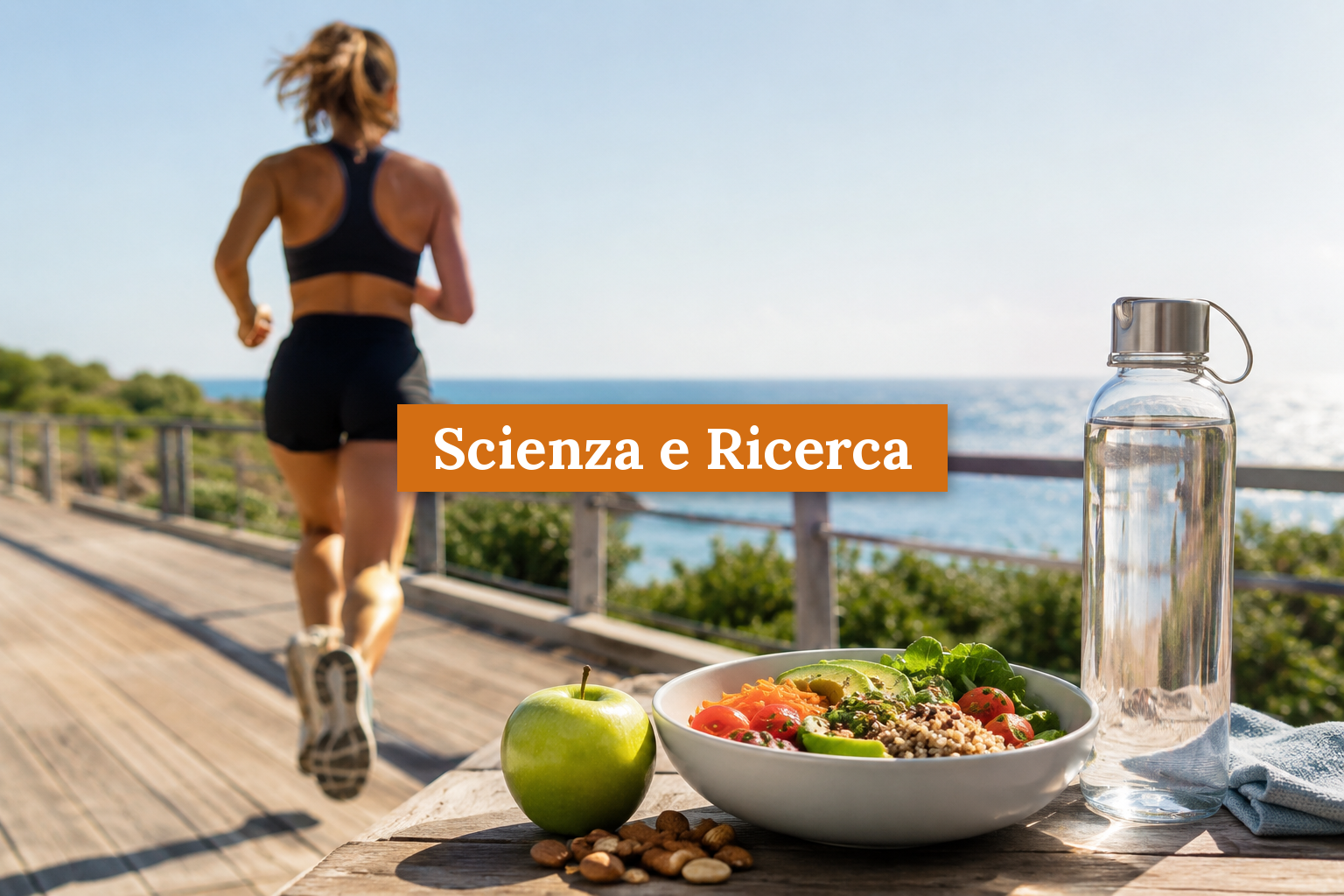
Supplements, tech devices and new “biohacking” strategies promise to help us live better and longer. But when it comes to longevity, according to experts, it is above all a few simple daily habits that form the foundation of healthy aging.
This is what emerges from the 2026 U.S. News Healthy Aging Survey, an online survey conducted between July and August 2026 among 63 health professionals worldwide, including longevity experts, physicians, researchers, dietitians, fitness professionals and pharmacists. Among the experts who took part in the survey is Professor Valter Longo, Professor of Biogerontology and Director of the Longevity Institute at the University of Southern California Leonard Davis School of Gerontology in Los Angeles.
When asked which factors matter most for healthy aging, 89% of experts named regular physical activity and 89% named a balanced, nutrient-rich diet. In third place, 30% named restorative, good-quality sleep.
The survey thus brings attention back to daily habits: regular movement helps preserve strength, mobility and independence, while an adequate diet contributes to maintaining overall health. In particular, 48% of experts named a diet rich in non-inflammatory foods, such as the Mediterranean diet, as the most effective lifestyle intervention among those proposed for counteracting the chronic low-grade inflammation associated with aging.
Another finding concerns social connection. 59% of experts named social isolation as the most underrated factor, among those proposed, with the potential to accelerate biological aging.
Professor Longo also weighs in on this point, stressing how isolation can lead to health problems. The survey’s own authors, however, point out that the result does not prove that social isolation directly accelerates biological aging: rather, it highlights how meaningful relationships are regarded by experts as an important, and often overlooked, component of healthy aging.
The survey also urges caution regarding biohacking, a term used for various strategies and technologies aimed at monitoring or improving health and performance. Among the options proposed, 40% of experts recognized a tangible benefit in wearable devices or sleep-tracking systems, while 31% did not name any of the technologies or trends proposed.
The message emerging from the survey is therefore clear: new technologies can be useful tools, but they do not replace the foundations of a healthy lifestyle. Nutrition, physical activity, sleep and social relationships remain central to maintaining function, independence and well-being over time.
Individual needs, however, can vary greatly. For this reason, before making significant changes to your diet or lifestyle, it is important to consult qualified professionals.
Source
U.S. News & World Report, “2026 Healthy Aging Survey: 5 Proven Habits That Matter More Than Biohacks”, Sept. 1, 2026.