

Folate-Properties and Sources

Folate is the natural form of vitamin B9 found in food. Its oxidized form, on the other hand, is folic acid (monopteroiglutamic acid), a synthetic molecule contained in vitamin supplements and added to enriched foods. Vitamin B9 is a very important water-soluble vitamin for the human body because it is involved in various essential physiological processes.


WHY ARE FOLATES IMPORTANT?

Folate is essential for our well-being in several ways. For example, it is involved in the DNA synthesis, chromosome repair, and protein synthesis, including hemoglobin (essential for the formation of red blood cells). Furthermore, it is essential for cell regeneration and important for the health of the mucous membranes.


Vitamin B9 is essential for proliferation and differentiation of tissues, especially embryonic tissues. This is why folic acid is importantl during pregnancy, especially for the prevention of congenital malformations, for example neural tube defects that occur due to folate deficiency (spina bifida, anencephaly, and encephalocele). During breastfeeding, it is necessary to replenish folate losses through milk. Generally, doctors recommend taking folate  supplements starting from one month before conception up to the third month of pregnancy.


Vitamin B9 can also help prevent other health problems. Thanks to the synergy with vitamin B12, for example, it can help reduce homocysteine levels in the blood, an amino acid whose accumulation can lead to heart attack and stroke. Finally, vitamin B9 is also important for the proper functioning of the nervous system and the efficiency of the reproductive system.


FOLATE DEFICIENCY

The daily requirement ranges from 0.4 to 0.6 mg per day, based on age, gender, and health status. Women who are planning to get pregnant or who are pregnant should consume 0.6 mg per day, while for breastfeeding 0.5 mg per day is enough. A reduction in the absorption of folate may be due to the intake of certain drugs, various health conditions (diabetes, celiac disease, etc.) and alcohol abuse. If you follow a varied and balanced diet, you are guaranteed an adequate intake of folate.


In the case of folate deficiency, various symptoms may appear: weakness, fatigue, paleness, anemia, pain in the mucous membranes, tingling, headache, irritability, or neurological disorders such as insomnia, depression, memory problems, etc. The lack of folate during pregnancy and breastfeeding carries serious risks for the fetus. In the event of deficiency and / or increased need for vitamin B9, the doctor may prescribe specific folic acid supplements or foods enriched with folate.


FOLATE SOURCES

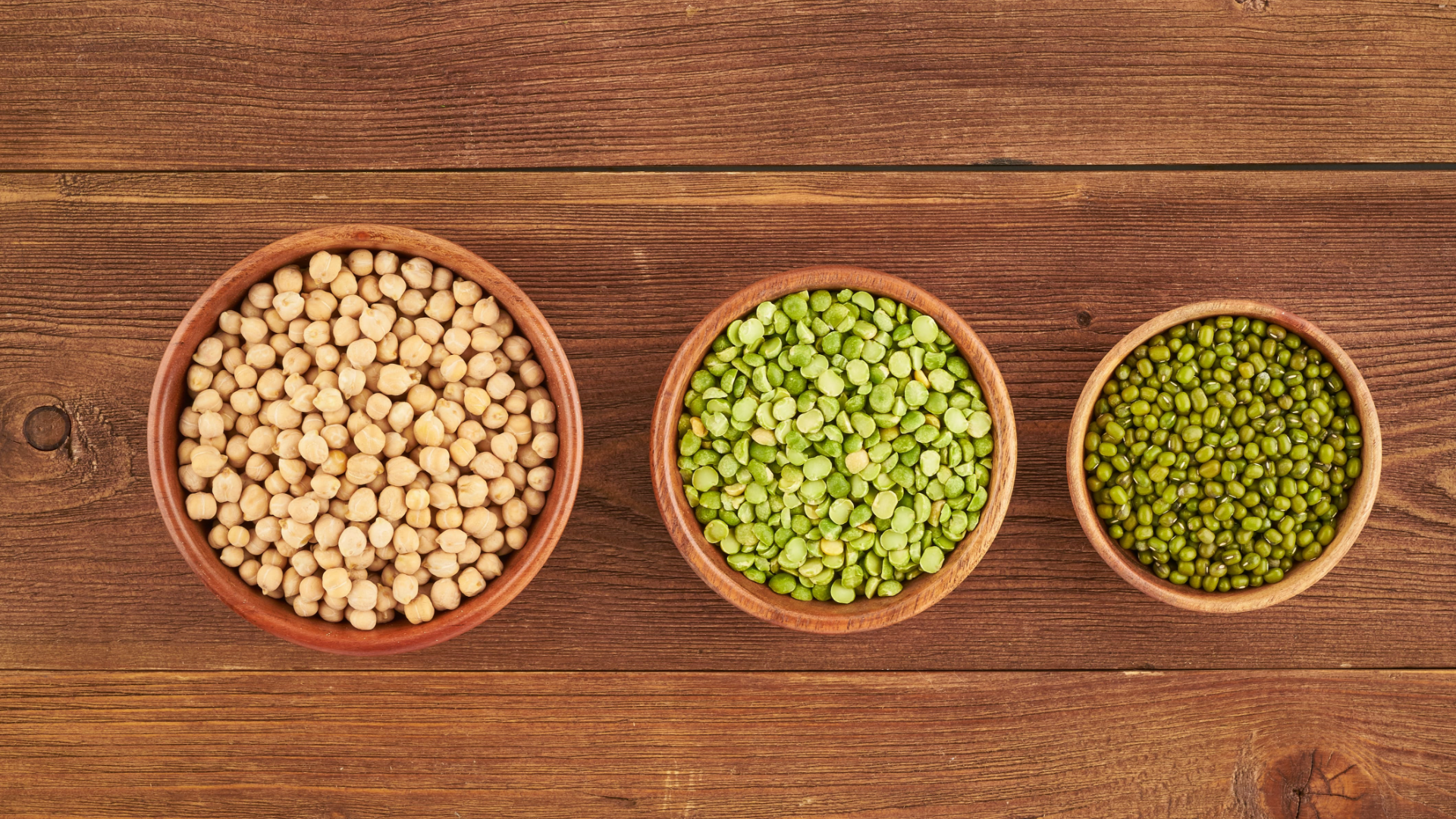
Folate is found mainly in leafy greens such as spinach, rocket/arugula, broccoli, brussels sprouts, cabbage, lettuce, and asparagus, but also in turnip, fresh mustard, and tomato. Legumes (especially black beans and peas), whole grains (rice, pasta and bread), wheat germ, brewer’s yeast, and dried nuts (almonds, walnuts) also contain folate. Fruits that contain folate include avocado, papaya, melon, strawberries, kiwi, oranges and bananas. Among animal products, folate is found in red meat, especially offal, eggs and some cheeses (to be consumed occasionally and in limited portions), shellfish (crab), and fish.


Folate are thermolabile compounds, degradable at high temperatures, and water-soluble, so it is easy to lose them during cooking due to thermal degradation and water solubility. Therefore, boiling is not recommended, and it is considered the worst cooking method. As a result, nutritionists recommend consuming raw, sauteed, or steamed vegetables, as this limits the loss of folate to only 10-15%. Cutting the vegetables into chunks or florets can reduce cooking times to 10 minutes or less. With these simple precautions, the nutritional properties and the maximum amount of folate is preserved.


SOURCES:

Valter Longo – The Longevity Diet – Vallardi 2016

Valter Longo – The  Longevity Table – Vallardi 2017

“Vitamins – General Information” – EPICENTRO (last accessed 20.06.2019)

“Vitamins – Studies” – EPICENTER (last accessed 20.06.2019)

“Folic Acid and Folate – General Information” – EPICENTER (last accessed 20.06.2019)

“LARN – Reference Levels of Intake for the Italian Population: VITAMINS. Average Requirement (AR): Values on a Daily Basis”- Italian Society of Nutrition Uma
Brain health and Weight

Smoking, hypertension, obesity, and diabetes are all classic factors that not only influence cardio-vascular health, but also brain changes and structure that can lead to dementia. This is demonstrated by a study conducted by the Center for Cognitive Aging and Cognitive Epidemiology of the University of Edinburgh (UK) and published in the “European Heart Journal”.


A LARGE STUDY TO ANALYZE DIFFERENT RISK FACTORS

The study included close to 10 thousand individuals, aged between 44 and 79, who were enrolled in the UK Biobank: one of the largest samples of individuals undergoing brain magnetic resonance imaging. The data obtained was analyzed and crossed with their health information and medical records. All images of the participant’s brain structure were scanned using a single scanter located in Cheadle (Manchester). The majority of the participants were from the North West region of the UK and all images of the participants’ brain structure were scanned by a single scanner located in Cheadle (Manchester).


The researchers sought to uncover the link between brain structure and one or more cardiovascular risk factors: obesity, diabetes, smoking, hypertension, high pulse pressure, and high cholesterol. It was found that all these factors, except hypercholesterolemia, were related to problems in the blood supply to the brain, with a potential decrease in blood supply and abnormal changes in brain structure in participants with dementia and Alzheimer’s disease.


IMPROVE OUR HABITS TO PROTECT THE BRAIN

Furthermore, the more cardiovascular risk factors, the less optimal brain health. In this regard, the scholars have found anatomical evidence of brain reduction at the level of the gray matter (3% less) and damage to the white matter (one and a half times less healthy) for those who had a high cardiovascular risk, compared to those with a lower risk. Areas of the brain commonly linked to complex activities, such as thinking skills, can deteriorate during the development of dementia and Alzheimer’s disease. The same risk factors for heart disease seem to affect brain health, regardless of age.


Experts state that there are certain genetic factors we cannot change, but all other risk factors are modifiable and often related to lifestyle. As a result, we can intervene through healthy eating habits, combined with physical activity, to slow down cognitive aging and preserve brain health. The aim of the study is to include individuals over 79 and analyze their respective brain magnetic resonances and cognitive tests to better understand the mechanisms through which various cardiovascular risk factors affect certain areas of the brain.


SOURCES

“Smoking, High Blood Pressure, Diabetes and Obesity Each Linked to Unhealthy Brains” – European Heart Journal (Mar 2019)

Late diners may lead to weight gain

Daily commitments and the current fast pace of life can lead us to change our habits, so much so that even mealtimes are often moved forward. A new study conducted at the University of Colorado, Denver (USA) draws attention to the fact that eating meals too late at night can contribute to weight gain. The results of this study were presented at Endo 2019, an international congress organized by the Endocrine Society, which takes place every year in New Orleans, Louisiana.

ANALYSIS OF PHYSICAL ACTIVITY, SLEEP-WAKE RHYTHMS, AND EATING HABITS

Previous research has shown that eating and sleeping patterns are linked to overweight and obesity, but it remained unclear whether late dining was associated only to decreased sleep or to fat accumulation as well. This new study sheds light on the association between late evening dining and obesity. The sample consisted of 31 adults (90% women), who were either overweight or obese, with an average age of 36.

The researchers used 3 different types of technologies to monitor physical activity, sleep rhythms, wakefulness, and eating habits. The participants in the study wore an electronic device placed on their thigh for a week, which measured time engaged in physical activity and sedentary behaviors. A different device analyzed sleep-wake rhythms. Furthermore, the participants were instructed to use an app and record information relating to their eating habits, such as meals and snacks consumed during the day.

After analyzing the data, it was found that, on average, participants ate food within an 11-hour period and slept about 7 hours every night. Participants who dined late in the evening went to sleep later than the others, but rested the same number of hours as those who dined earlier. Furthermore, the significant finding was that individuals who ate late had a higher Body Mass Index (signal of overweight and obesity), and higher amount of body fat.

However, it is possible to reduce the accumulation of excess fat and avoid the risk of overweight and obesity. Other research is therefore aimed at studying the effects of meal intake within a specific time window, and see how this can impact weight gain, fat accumulation, and metabolic problems.

SOURCES:

Ise – International Society of Endocrinology – ENDO 2019

Endocrine Society – “Clinical Practice Guidelines – Evidence-Based Resources for Care2”

Obesity and higher cancer risk

New research reveals how obesity can increase the risk of developing cancer. This is explained by researchers from the City of Hope National Medical Center in California, who presented their study at the American Chemical Society’s annual meeting in 2019. They examined how the main factors responsible for this are high blood glucose levels and DNA damage.


Adipose tissue produces specific proteins called adipokines, which induce a state of chronic inflammation and are linked to the development of tumors.


RISK IS MORE THAN DOUBLED IN DIABETES PATIENTS

Excess fat can also increase the risk of developing type 2 diabetes five times which, in turn, increases the risk of cancer 2.5 times more than in healthy individuals with normal blood glucose values.


From previous studies, it was believed that the increase in the incidence of cancer in people with diabetes was due to hormonal imbalances. However, it is the excess insulin characteristic of type 2 diabetes which stimulates cell growth and thus causes the onset of cancer.


Scientists have deepened scientific research to better explain these mechanisms. According to the researchers, the association between diabetes and cancer is found in DNA damaged by hyperglycemia. High blood sugar levels cause more DNA damage and make DNA repair more challenging.


THE SOLUTION IS TO KEEP BLOOD GLUCOSE LEVELS LOW

The researchers at the City of Hope National Medical Center wanted to investigate the structure of DNA more closely. In particular, they tried to understand if high blood glucose concentrations are capable of damaging DNA strands, a phenomenon at the core of tumor development. To do this, they analyzed cell cultures and observed mice in the laboratory, finding that some portions of DNA (adducts) associated with tumor development are found mostly in tissues and animals with diabetes. Furthermore, observations showed that excess blood glucose interferes with the repair process of damaged DNA fragments. As a result, it was concluded that high blood glucose concentrations cause damage to DNA and, at the same time, inhibit repair, a mechanism that causes instability in the genome and leads to cancer onset.


In the second phase of this clinical study, the researchers found high levels of adducts in both the DNA and RNA of individuals with type 2 diabetes. In these subjects, the scientists found low levels of transcription factors mTORC1 and HIF1α: proteins involved in the DNA repair process. mTORC1 stimulates the production of HIF1α, which activates the genes that trigger all mechanisms. The next research step is to verify whether drugs capable of stimulating the synthesis of these two proteins also lead to a lower incidence of tumors. Given that metformin (the main drug used to lower blood sugar) also stimulates DNA repair, researchers are testing the combination with substances that stabilize these two proteins. In any case, experts recommend keeping blood glucose levels low to lower the risk of developing cancer.

SOURCES

Science Daily – “How Diabetes can Increase Cancer Risk: DNA Damaged by High Blood Sugar” – (August 25, 2019)

American Chemical Society – “How Diabetes can Increase Cancer Risk: DNA Damaged by High Blood Sugar”


A Plant Based Diet Can Save The Planet

Consuming a plan-based diet is important in order to combat global warming and offset greenhouse gas emissions. This means eating less red meat and, instead, consuming more fruits and vegetables. This is the warning from the Intergovernmental Panel on Climate Change (IPCC), the UN scientific committee, which released the report Climate Change and Land in August 2019.


EATING LESS MEAT IS GOOD FOR THE CLIMATE AND OUR HEALTH

Experts suggest a vegetarian or vegan diet not only to save our planet, but also to protect our health and wellbeing. The current global food system is no longer sustainable from an environmental point of view, given that the intensive exploitation of arable land is responsible for 30% of global emissions. In fact, the report highlights that 50% of total methane emissions, one of the most harmful greenhouse gases, comes from pastures for cattle breeding and rice fields. Hence the advice to reduce red meat consumption.


In order to reduce greenhouse gases, eating habits around the world have to become healthier and we need to move towards more sustainable diet, including whole grains, legumes, fruit, vegetables, nuts, and seeds. The disparity in obesity and malnutrition rates between industrialized and poor countries also needs to be taken into account: 2.5 out of 10 people are obese (about 2 billion worldwide) and 1 in 10 are malnourished (more than 820 million people worldwide), respectively. Adopting a plant-based diet would thus help smooth out these differences, as well as reduce the intensive exploitation of arable land.


GLOBAL CHANGES CAN SAVE THE EARTH

The exploitation of arable land (reaching close to 72% of total land surface) is implemented to supply food to the ever-increasing world population, but it also causes an excessive rise in temperatures, and can lead to a reduction in arable land at the same time. In fact, in the last century, the intensive exploitation of land, which has quadrupled the world population from 1.9 to 7.7 billion, has also contributed to erosion, soil impoverishment, and even deforestation. These are risks we can no longer take, since at this rate we could quickly reach desertification. It is therefore urgent to take a turnaround in food production and consumption, to “free” millions of hectares of land, and to reduce CO2 emissions by up to 6 billion tons every year.


The entire supply chain, from food production to consumption, generates about 25-30% of all human greenhouse gas emissions. Therefore, it is vital to change our eating habits. In addition, the emission of greenhouse gases is leading to heat waves that have led to a rise in temperatures of 1.2 ° C compared to the levels recorded in the pre-industrial age. Experts have warned that exceeding 1.5 ° C would lead to even more serious damages in the climate than the current ones we have  already seen.


SOURCES:

The Intergovernmental Panel on Climate Change IPCC – “Climate Change and Land – An IPCC Special Report on Climate Change, Desertification, Land Degradation, Sustainable Land Management, Food Security, and Greenhouse Gas Fluxes in Terrestrial Ecosystems”

THE LONGEVITY REVOLUTION

The main reason we should follow a healthy diet is to live a long and healthy life. Nowadays, unfortunately, reaching old age healthy and without being sick seems almost a utopia. However, eating a balanced diet and following a healthy lifestyle can help us live a long and disease-free life. Science also confirms this through the fields of preventive medicine, geriatrics, and biogerontology. Although having the right genes helps, it is certainly not enough. Eating according to the Longevity Diet and periodically following the Fast-Mimicking Diet can improve our health and prolong life. This is a true “Longevity Revolution”, created by Professor Valter Longo.

Thanks to nutrition, we can reach 100 years of age strong and healthy. In fact, nutrition is one of the main and easiest modifiable factors that is under our control. The Mediterranean Diet is one of the best in the world, and we have great examples of this: Salvatore Caruso, the accountant from Molochio, near Reggio Calabria, who lived to 110 years, and Emma Morano, the grandmother from Verbania on Lake Maggiore, who lived 117 years and was the last person born before the 1900.

WHO ARE THE LONGEVITY EXPERTS?
Since we all eat, many think they have become nutritional experts and give advice right and left, without being informed on the subject, let alone be professional nutritionists or doctors. In fact, it is not actually known what it means to eat “the right amount.” That is, most people are often unaware not only of the nutritional requirements related to age, sex, and physical activity, but about the caloric and glycemic content of certain foods, some which are even unclear or unknown. For this reason, people’s diets have become unbalanced.

The experts you should listen to in regard to nutrition are doctors and researchers specializing in nutrition (interns, biochemists, nutritionists, etc.) who hold high positions in universities and institutions, experts in various fields of experimentation and study (especially referring to the 5 Pillars of Longevity), and who regularly participate in scientific research and trials in the nutrition field. These doctors, nutritionists and/or the dieticians can lead you in the right direction. Furthermore, they can tell us which experts to refer to and how to practice an ad hoc diet, while taking into account pathological conditions or food intolerances.

WHAT ARE THE 5 PILLARS OF LONGEVITY
In order to extract the right information about nutrition, Valter Longo proposes the following strategy: 5 Pillars of Healthy Longevity. Let’s see them in detail one by one.

BASIC RESEARCH AND JUVEONTOLOGY/BIOGERONTOLOGY
Studies on simple organisms can help to understand the relationship between cells and nutrients, as well as how certain diets can affect health and determine longevity.

EPIDEMIOLOGY
This field studies the cause of disease in populations. It can help bring to light the hypotheses of basic research in a concrete way. For example, about how diet impacts metabolism.

CLINICAL STUDIES
In order to show how a specific diet affects health, Randomized Control Trials with a placebo control are necessary and can further highlight the effectiveness of the hypotheses formulated by basic research and epidemiology.

STUDIES ABOUT CENTENARIANS
The studies that have been conducted with centenarians allow for concrete data regarding the effectiveness of eating habits that were sustained over a lifetime.

THE STUDY OF COMPLEX SYSTEMS
This consist of the analysis of complex systems, such as cars, to understand the complexity of human organisms, but simplified with an engineering approach and more intuitive mechanical models.

The recommendations for a diet that guarantees a long and healthy life are based on solid and concrete scientific and clinical research. Positive results have emerged from basic, clinical, genetic, and epidemiological research studies that have included thousands of participants. Furthermore, most nutrition recommendations correspond to nutritional habits of populations that are known for health and longevity, where their diet is a key factor.

SOURCES:
Valter Longo, “The Longevity Diet”. London: Penguin Random House UK, 2018.

LESS RED MEAT AND MORE PLANT PROTEINS: THE BENEFITS

Eating red meat is bad for our health, and many scientific studies show how it negatively impacts our well-being. A new study conducted at Harvard T.H. Chan School of Public Health and Purdue University indicate that diets replacing red meat with plant proteins lead to a reduction in risk factors for CVD. The results of the survey were published in the Circulation journal (April 2019).

CROSS COMPARISON BETWEEN MULTIPLE DIETS
In order to reach these results, a systematic review was performed of the studies published before July 2017 in PubMed (the US National Library of Medicine of the National Institute of Health, which include over 30 million citations of biomedical literature such as biology journals, online books, and MEDLINE-database of life sciences and biomedical disciplines). This is the first updated meta-analysis of Randomized Control Trials evaluating the effects of red meat on CVD risk factors, comparing it to control diets in which red meat was replaced with a variety of foods. The researchers compared the classic red meat-rich diets with different types of diets: high-quality vegetable protein sources (legumes, soy, and nuts); chicken, poultry and fish; fish only; poultry only; mixed sources of animal protein (including dairy); carbohydrates (low-quality refined grains and simple sugars such as white bread, pasta, rice, crackers, and biscuits).

In total, 36 randomized control trials were included, involving a total of 1,803 participants. Plasma cholesterol, triglyceride, lipoproteins, and blood pressure (all CVD risk factors) levels of participants consuming a red meat diet were compared to that of all other types of diets. By this comparison, the researchers found that there weren’t significant difference in the concentrations of lipoproteins, total cholesterol, or blood pressure. Although, diets high in red meat resulted in higher triglyceride levels than all other diets. The key takeaway is that diets with higher amounts of high-quality plant proteins (like legumes, soy, and nuts), on the other hand, led to lower cholesterol levels than diets rich in red meat.

REPLACE RED MEAT WITH LEGUMES AND NUTS
According to previous studies, replacing red meat with high-quality vegetable protein sources, rather than low-quality poultry, fish, or carbohydrate, leads to more favorable changes in blood lipid and lipoprotein concentrations. Furthermore, the results are consistent with long-term epidemiological studies that observe a lower incidences of heart attack risk when red meat is replaced with nuts and other plant proteins. The heterogeneity found in previous studies regarding the effects of red meat on CVD risk factors may be attributed to the composition of the control diet. For this reason, professionals state that future studies should take into account more specific comparisons.

To conclude, experts recommend to avoid red meats as much as possible and instead to consume vegetarian diets with high quality plant proteins (legumes and nuts), both for personal health benefits and for food sustainability purposes.

Sources
Marta Guasch-Ferré et al. – “Meta-Analysis of Randomized Controlled Trials of Red Meat Consumption in Comparison with Various Comparison Diets on Cardiovascular Risk Factors” – Circulation (April 2019)

ANALYSIS BY THE EDITORIAL STAFF OF THE VALTER LONGO ONLUS FOUNDATION

Okkio alla SALUTE is a very important survey in Italy that included 50,000 primary school children and its goal is to monitor their weight and lifestyle. The data from the latest version (VI, spring 2019) has been available for a few weeks. Let’s look at them together.

Unfortunately, Italian children are still in a critical situation: 3 out of 10 are overweight (29.8%), of which 1 is obese (9.4%). We are second only to Cyprus, and almost at par with Greece and Spain. The prevalence is highest in the southern regions.

Another aspect which is worth looking at is the high prevalence of obesity among families with a low socioeconomic status. Our Foundation works closely with these families both through free health care in the nutritional field, and via education and awareness programs on issues related to health and longevity. As a result, the Valter Longo Onlus Foundation carries out free educational projects for primary and secondary schools with the aim of teaching them proper nutrition. We are convinced that, if children are more aware of what foods they consume, they can be the ones to set the example for health and longevity, and even motivate adults to change their own lifestyle to live better and longer lives.  If you want to organize a free webinar for your school, please send an email to [email protected]

The survey also revealed some of the unhealthiest habits among children:

skipping breakfast (8.7%) or consuming breakfast incorrectly (35.6%), which often leads to consuming a large snack (55.5%),
low daily consumption of fruits and vegetables (24.3%), seldom intake of legumes (38.4% less than once per week),
daily intake of sugary or carbonated beverages (25.4%), although the latter decreased compared to the latest data.
consumption of sweet snack more than 3 times per week (48.3%),
consumption of salty snack more than 3 times per week (9,4%).

It is no coincidence that in the countries bordering the Mediterranean, cradle of the famous Mediterranean diet, there are more overweigh children. In fact, this phenomenon is due to a poor interpretation of the Mediterranean diet itself. In the Okkio alla Salute survey, there is no available data about the consumption of foods that are healthy but can lose their benefits when consumed too frequently. Among these are pasta, bread, potatoes, and pizza.
Previous studies such as the 2005-2006 INRAN-SCAI study done in Italy showed that children consume about 700 grams of foods that cause elevated glucose levels. Of these, approximately 75% (520 grams) come from bread, pasta, pizza, rice, potatoes, and fruit juices, while 25% come from sweets, pastries, cooking sugar, ice cream, and sugary drinks. Foods rich in starch quickly elevate blood glucose levels, even more than junk food and carbonated drinks, which Italian children consume less and less. More specifically, bread, pasta, pizza, rice, potatoes, fruit, and fruit juices consumed daily by many Italian children produce a glucose levels equivalent to 5 cans of sugar carbonated drinks daily, both in quantity and the release of glucose into the blood.
Another important aspect is to avoid a sedentary lifestyle. In 2019, 20.3% of children did not engage in any form of physical activity the day before the survey was given. The 2020 results don’t look promising either.

What is the solution? First of all, we need to recognize the problem: only 59.7% of parents are aware that their child is overweight; only 40.9% are aware that their child is not physically active; and only 30.1% are aware that their child eats too much.
To offer our support and useful advice for children and their families, the nutritionists of the Valter Longo Onlus Foundation have created a list of indications in order to avoid overweight and improve the health of children: longevity begins in childhood.

Sources
1. OKkio alla SALUTE, 6th Edition, 2019.
2. The Italian National Food Consumption Survey INRAN-SCAI 2005-06: Main Results in Terms of Food Consumption. 2009, “Public Health Nutrition”
3. Longo, Valter. La longevità inizia da bambini (The Seeds of Longevity Are Planted in Childhood). Milano: Vallardi, 2019.

TWO HOURS IN NATURE PER WEEK: THE IDEAL DOSE FOR HEALTH

Spending at least 2 hours per week in nature is the minimum “does” to ensure health benefits and psycho-physical well-being. This was demonstrated by a large study carried out by the European Center for Environment and Human Health at the University of Exeter Medical School in the UK. The results of this survey were published in Scientific Reports (June 2019).

EVERYONE CAN BENEFIT FROM THE OUTDOORS
This Monitor of Engagement with the Natural Environment (MENE) research was commissioned by the British government, which surveyed 20,000 Anglo-Saxon individuals during the two-year period 2014-2016. The sample included English residents from different social groups: young and old, male and female, high and low income, etc.

The participants answered questionnaires about their relationship with the outdoors and how often they visit parks, woods, fields, hills, mountains, rivers, beaches, etc. In addition, they were asked questions about their health and their satisfaction regarding their overall well-being. The results show that all the participants involved benefit from spending time outdoors, regardless of age, sex, health status, disability, socioeconomic factors, place of residence, or lifestyle.

THE MORE TIME SPENT OUTDOORS, THE MORE BENEFITS
The questionnaires reveal that 23% of participants who had spent at least 2 hours in the outdoors (during the week prior to the survey) reported being in a great state of well-being, and 59% reported being in good health compared to those who had spent little or no time in nature. Furthermore, the beneficial effects increased as time outdoors increases: a weekly high of 3 hours for health, and 5 hours for overall well-being.

Experts concluded that it takes at least 2 hours spent outdoors to see positive effects regarding personal mental and physical health. This can either be 2 hours at once or split up into smaller sessions that add up to 2 hours per week. These were their observations, after analyzing the effects of practicing physical activity versus sitting on a bench and contemplating nature,. In fact, they concluded that nature is the key factor in beneficial and relaxing effects on the psyche.

Experts suggest that these 2 hours could thus be included in the Health Guidelines and targeted interventions that promote well-being.

Sources
White et al. – “Spending at Least 120 minutes a Week in Nature is Associated with Good Health and Well-being” – Scientific Reports (June 2019)

WORLD HUMAN RIGHT’S SAY: THE FOUNDATION’S WORK TO GUARANTEE HEALTH AS A HUMAN RIGHT

The Shock of the Pandemic

The experiences the whole globe faced in 2020 as a result of the pandemic have made everyone understand how health should be a human right, both personally and globally. Our health is at risk here and now. The Covid-19 pandemic has shaken everyone to the core, affecting over 66 million individuals and causing approximately 1.5 million deaths worldwide to date, according to the most recent data by the World Health Organization on December 7th, 2020. Italy, unfortunately, ranks #6 of the most affected countries with 1,728,878 confirmed cases, and 60,078 deaths (only behind the US, Brazil, India, the Russian Federation, and France).

If we analyze the “Report on the Characteristics of Individuals who Suffered and Died From COVID-19 in Italy” published by the Istituto superior di Sanità on December 2nd, 2020, we can see that individuals suffering from diseases and the elderly population were the most affected. In fact, the average age for individuals who died from Covid-19 was 80 years. In addition, it was possible to analyze the medical records of 5,726 deceased individuals and it was observed that 65.9% suffered from 3 or more diseases. Among the most common ones were hypertension (66%), Type 2 diabetes (29.2%), Ischemic heart disease (27.8%), chronic renal failure (21.1%), active cancer in the last 5 years (17%), obesity (10.3%), among many other diseases.

What do these data demonstrate? That age is the main risk factor for both Covid-19 and for many other chronic disease (cancer, diabetes, CVD, autoimmune disease like Crohn’s disease and multiple sclerosis, and neurodegenerative diseases with Alzheimer’s). The latter being yet another risk factor for Covid-19.

Questions and Concerns

The obvious question is, “What can we do to avoid getting sick and protect ourselves as much as possible from unexpected events like the pandemic?” It is clear that it is vital to slow down the aging process and thus prevent the onset of many chronic diseases. But how? Scientific research shows how lifestyle and food choices can decrease our risk of developing many diseases as well as slow down the aging process.

As a result, we can conclude that eating well and living a healthy lifestyle can slow down aging and help us live longer and healthier lives. However, on our quest for the elixir of life we may ask ourselves what we mean exactly when we talk about proper nutrition and a healthy lifestyle.

The Valter Longo Onlus Foundation and the search for health and longevity

We often find too many hands in the pot and are exposed to conflicting information. However, the nutritional biologists of the Valter Longo Onlus Foundation created a reference point, nutrition assistance programs, and practical advice regarding health and lifestyle, based on over 30 years of research of Dr. Valter Longo.

The doors are open to everyone at our Longevity Point in Milan: those who want to achieve healthy longevity and live higher quality lives, as well as individuals suffering from various diseases and need support for common treatments. Children, teens, adults, and elderly alike come to our Longevity Point in hopes to live healthier lives.

We want to provide a place in which we can guarantee that health is a human right, and where anyone can find support from experts and professional. At our longevity point you will find an environment that provides a real culture of longevity, that values health, mental and physical well-being, solidarity, inclusivity, sociality, human and familial relationships, and a constructive, positive, proactive, and creative attitude toward life.

In our Longevity Point we create project that reach schools, students, families, teachers, centers for the physically disabled, the elderly, nursing homes, shelters for women victims of abuse and their families, as well as homeless shelters. In addition, we provide free programs for those in difficult economic situations, and so are always on the look out for funds to be able to implement these projects. We constantly train more nutritional biologists who can collaborate with us and help contribute to the health and betterment of the community.

It is worth mentioning again that in our Longevity Point we really hope you understand the importance of this longevity project and remember on this World Human Rights Day our mission to guarantee health as a human right, as well as longevity, to all.

Health shouldn’t be a privilege for the wealthy, especially during these hard times. For this reason, we have created a Solidarity Christmas Present where you can gift a valuable gift or free visit to our Longevity Point in Milan to someone who needs it. You can help make someone’s life better! We sincerely thank you!

Sources:
World Health Organization. “Who Coronavirus Disease (COVID-19) Dashboard”. December, 7 2020. https://covid19.who.int/
Istituto Superiore della Sanità- Epicentro. “Rapporto sulle caratteristiche dei pazienti deceduti positivi al COVID-19 in Italia”. 2 dicembre 2020. https://www.epicentro.iss.it/coronavirus/bollettino/Report-COVID-2019_2_dicembre.pdf